Objects in which solid struts are linked by cords or membranes — achieving structural balance through the interplay of tension and compression.
Tensegrity structures are objects in which solid struts are linked by cords (cables) or membranes. The tension of cords and/or membranes is taken up by the struts which counteract the compressional force exerted by them. The structure takes on a shape in which all forces are balanced.
The artist Kenneth Snelson was the first to elaborate the concept since the end of the 1940's. The term Tensegrity was coined by the architect Buckminster Fuller.
XOZZOX Design and Consulting services support you in constructing, optimizing, and building tensegrity structures — from structure definition, form finding and optimizations, to custom interactive visualizations.
We create digital models and physical tensegrity objects using a diverse range of materials for struts and cords.
Applications
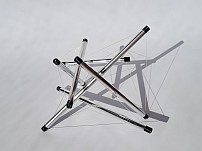
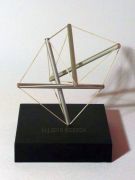
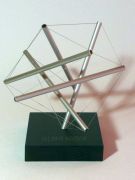
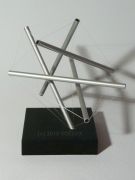
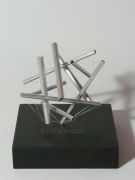
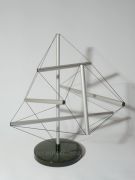
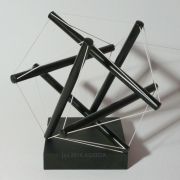
Photos of physical objects, built from various materials and using different techniques to join tendons with struts. Click any image to enlarge.
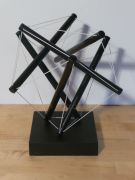
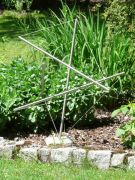
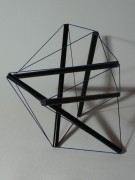
More to come…
Our services are based on custom computer-aided design, simulation, and optimization software for tensegrities. Contact us also for physical models and general consulting on the benefits and constraints of tensegrity structures.
Some of the customers and partners we have had the pleasure and honour to work with.




A Java application simulating selected objects and allowing interactive strut length modification (JRE, the Java runtime edition, downloadable from →here , is required to run this).
After downloading, start by double-clicking the file (no installation required). Or from the command line:java -jar "VirtualTensegrities v1.2.jar"
The information and programs provided on these pages are provided "as is." Any express or implied warranties, including but not limited to implied warranties of merchantability or fitness for a particular purpose, are disclaimed. → Terms of Use